Little Petra & Al Beidha
- Region
- South
- Time needed
- Half a day
- From Wadi Musa
- About 15 minutes
- Entry
- Free at the time of writing
Overview
Before the crowds, before the Nabataeans
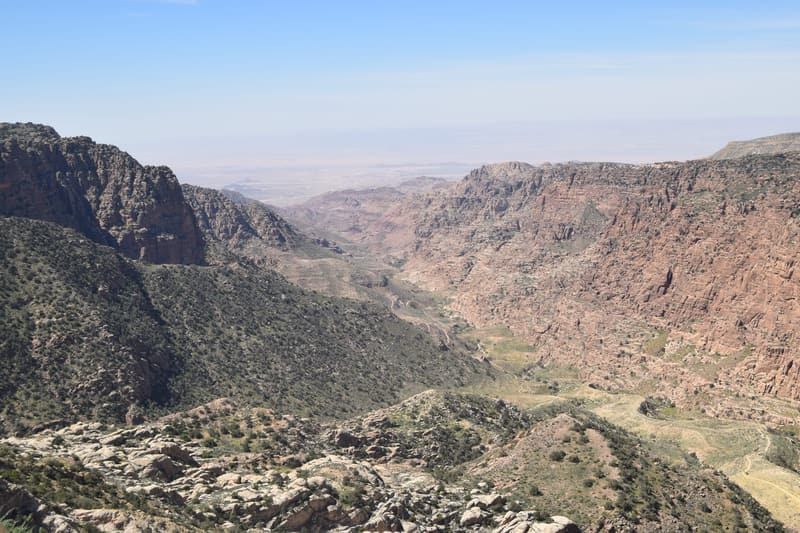
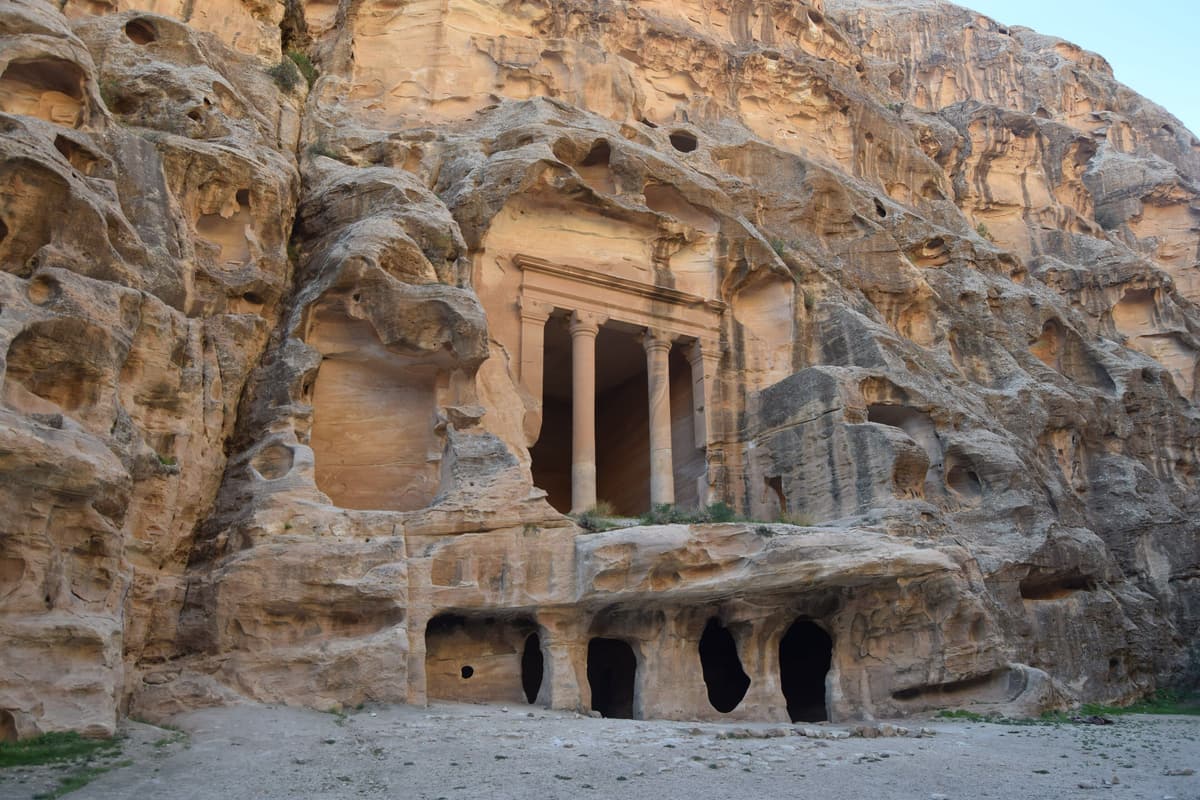
Ten kilometres north of Petra, Siq al-Barid — the cold canyon — shows what the great city looked like on a small, quiet scale.
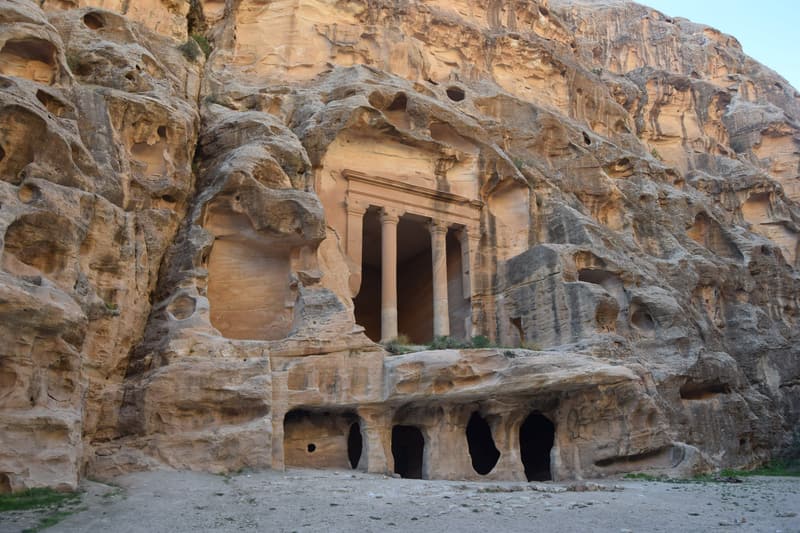
Little Petra was probably a stopping place for caravans on their way into the Nabataean capital: halls, cisterns and dining rooms cut into a narrow canyon.
Climb the steps to the Painted House and look up. On the ceiling, two thousand years old, vines, birds and small figures are still visible.
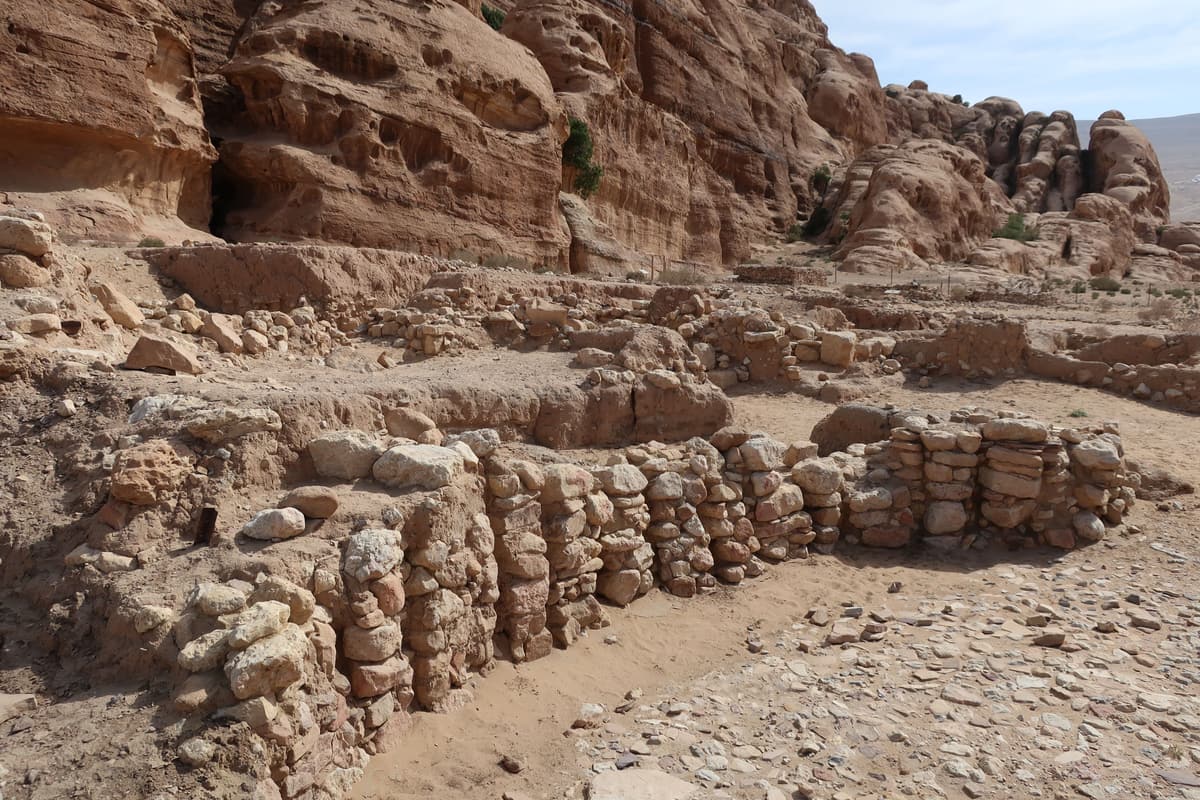
A short walk away, Al Beidha is one of the oldest villages in the Middle East, a Neolithic settlement of round and rectangular houses from around 7000 BC.
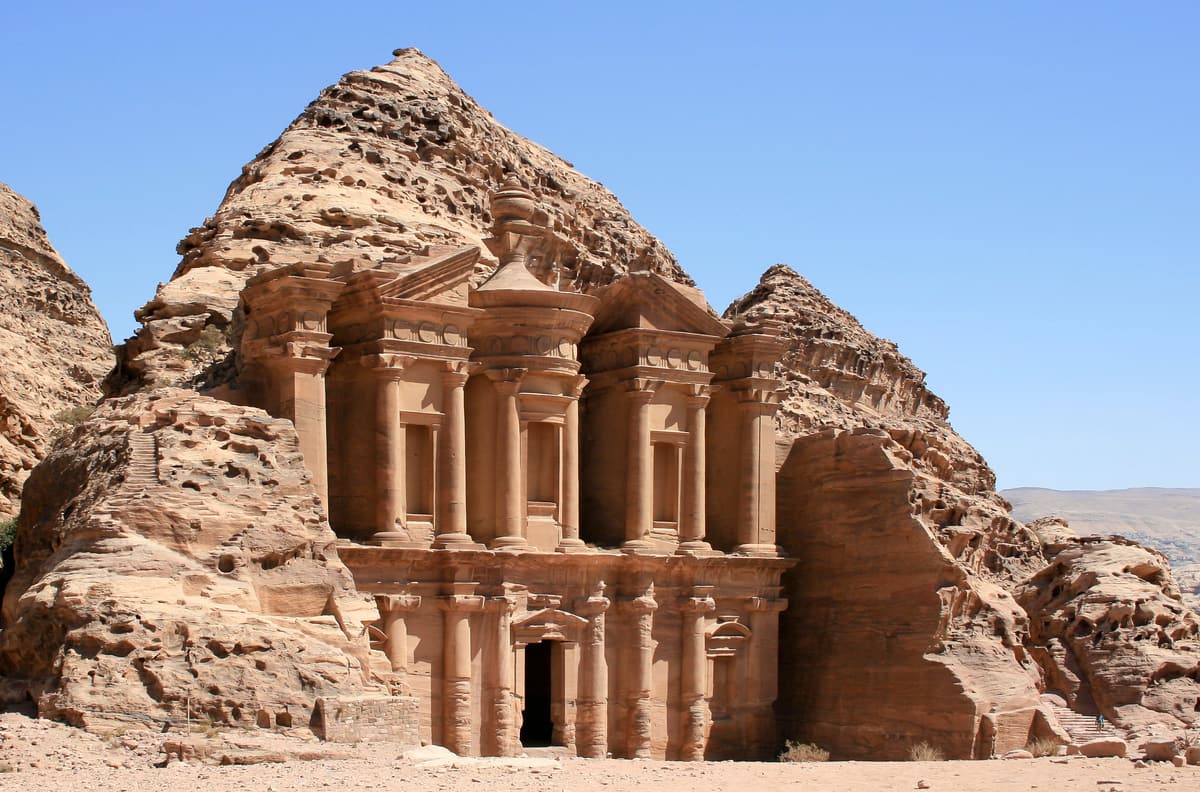
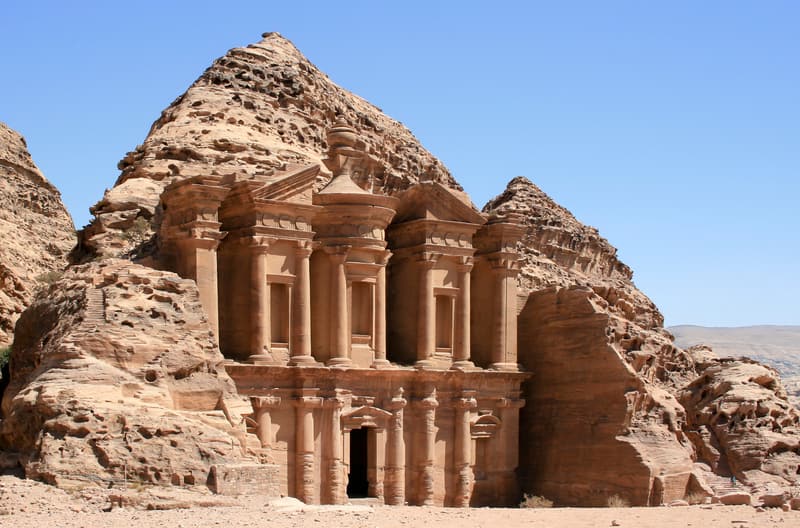
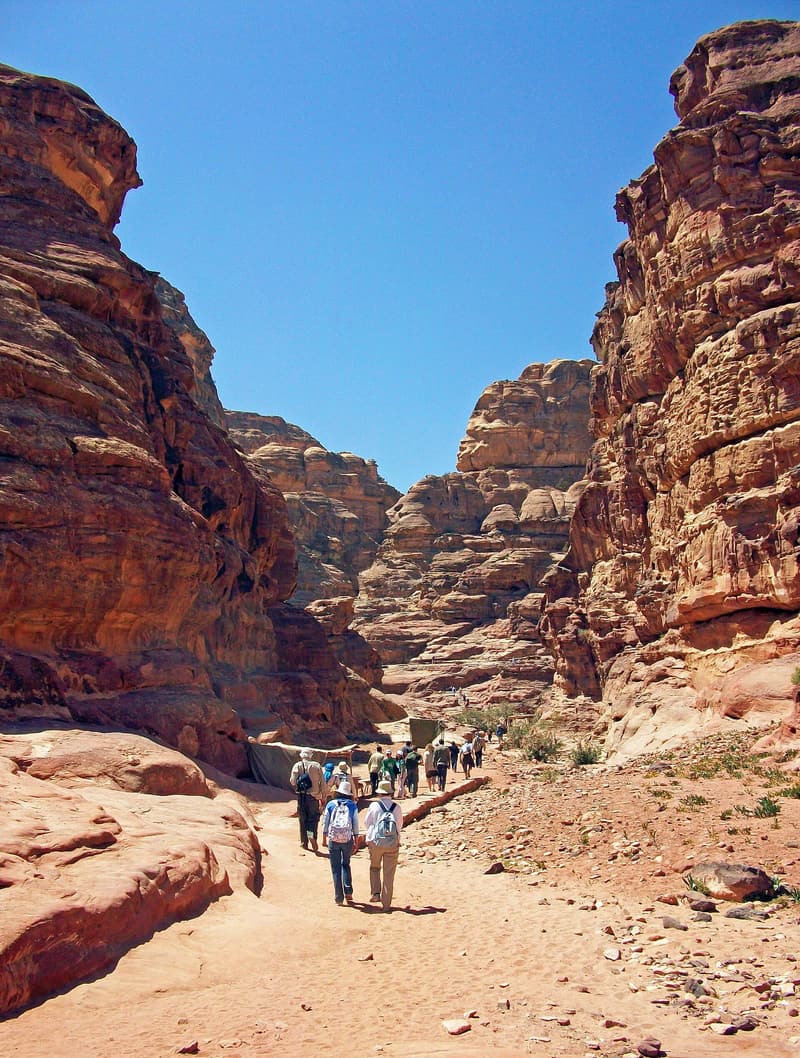
Little Petra is also where the back trail to the Monastery begins: the most beautiful way to enter Petra on foot.
Highlights
What to see
The Painted House
A rare surviving Nabataean painted ceiling, reached by a short stair.
The canyon at golden hour
Little Petra glows late in the day, when Petra itself is closing.
Al Beidha
Walk through the outlines of a Stone Age village.
The back trail
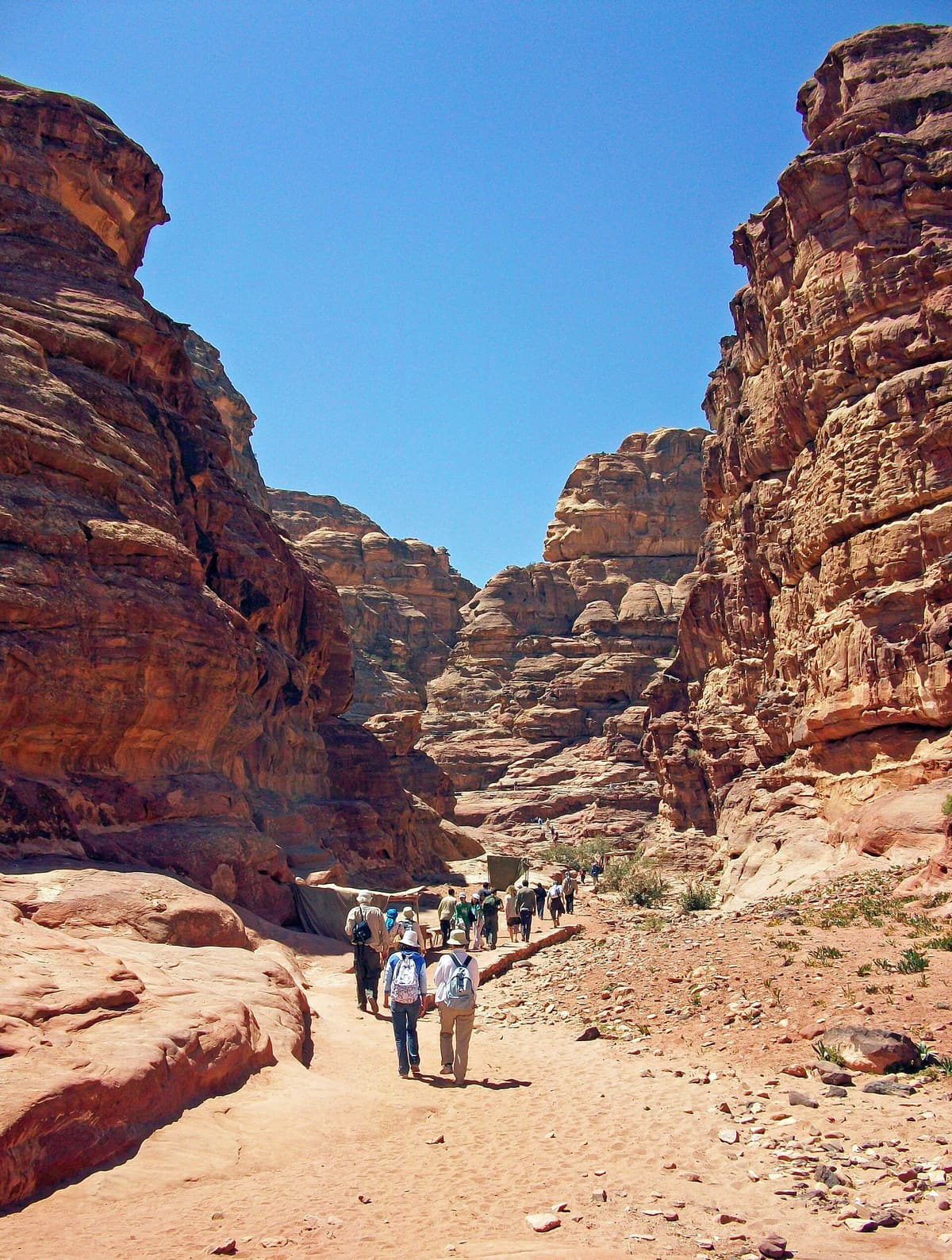
Walk from here to the Monastery with a guide and enter Petra from above.
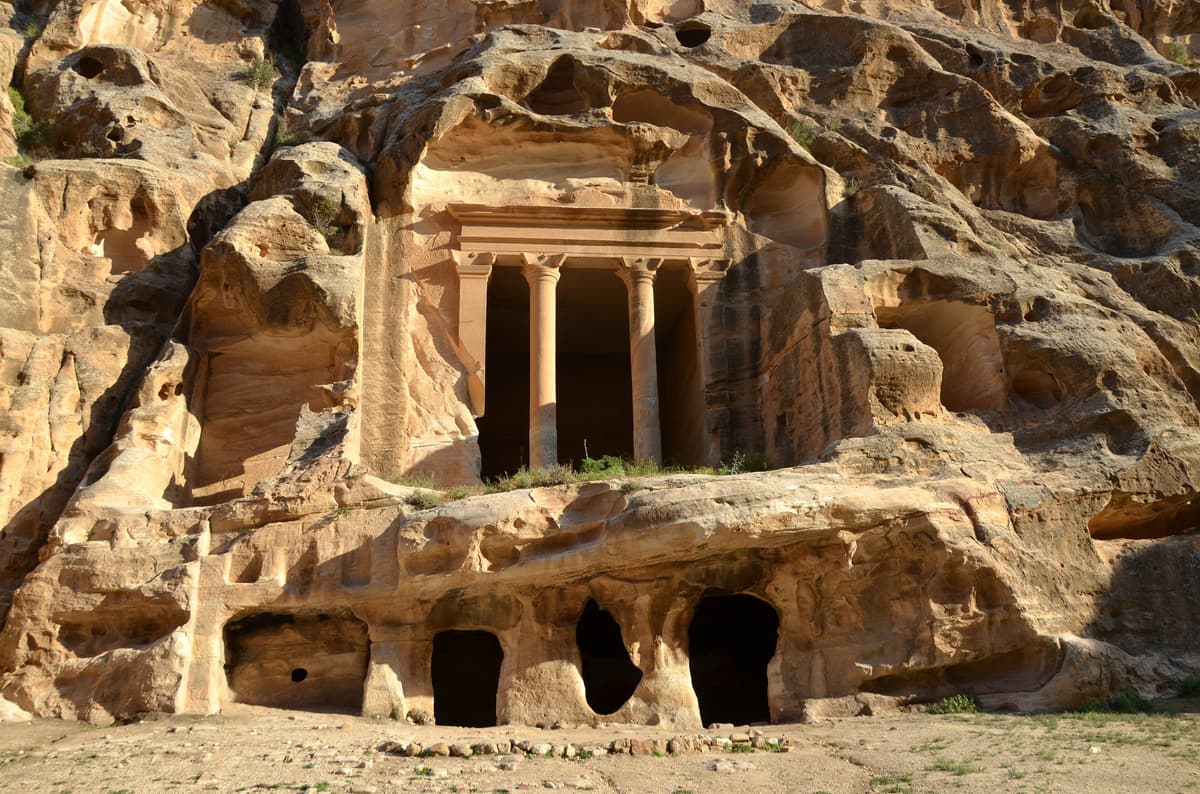
Petra in miniature, with almost no one else there.
Plan your visit
Practical notes
Opening hours, fees and seasons change. We confirm everything when we plan your journey.
When to go
Late afternoon, after a morning in Petra, or very early on the day you walk the back trail.
The back trail
About three to three and a half hours to the Monastery, with some scrambling. Take a licensed local guide and carry your valid Petra ticket — it is checked inside the site.
Entry
Little Petra and Al Beidha had no entrance fee at the time of writing.
Along the road